Our Epilepsy Fellowship is intended for those planning a career managing adult/pediatric epilepsy, refractory epilepsy and/or a career in academics related to epilepsy. Trainees will gain experience in clinical epilepsy management, video EEG monitoring in all age groups, and ICU EEG monitoring.
The Duke Epilepsy Fellowship at Duke University Medical Center (DUMC) offers exceptional, comprehensive training in both adult and pediatric epilepsy. Fellows receive broad clinical and academic exposure across a wide range of settings, supported by world-class faculty and cutting-edge technology. Program highlights include:
- 16-bed Video-EEG Monitoring Unit (8 Adult and 8 Pediatrics) within the Duke Comprehensive Epilepsy Center
- Over 100 epilepsy surgeries annually, including 40–50 intracranial EEG cases
- 15–25 continuous EEG monitoring studies daily (adult and pediatric combined)
- Hardwired EEG capability in all Neurological ICU beds
- Advanced EEG services, including ambulatory, high-density, and electrical source imaging
- Robust neuromodulation program with hands-on clinical experience
- Specialized clinics, including:
- Post-Acute Care Clinic (neuro-ICU discharges, post–cardiac arrest)
- Refractory Epilepsy Clinic
- Women with Epilepsy Clinic
- Sleep and Epilepsy Clinic
- Tuberous sclerosis clinic
- Ketogenic diet clinic
- SPECT, fMRI, WADA, PET testing
The NIOM Laboratory performs approximately 500 cases annually at DUMC and similar volumes at Duke Raleigh and Duke Regional Hospitals.
Research Opportunities
The Duke Epilepsy Division maintains a vibrant and collaborative research environment. Fellows interested in research can:
- Join ongoing clinical or translational projects
- Initiate independent research
- Collaborate with other departments such as Radiology, Biomedical Engineering, and Neuroscience
The ANPHY Lab — one of Duke's leading translational research centers— conducts groundbreaking studies in epilepsy, sleep, and electrical source modeling. Fellows are strongly encouraged to participate in or develop their own research initiatives. Other labs such as Cogan Lab, Southwell Lab and Suthana Lab collaborate with the epilepsy division as well.
Teaching Experience
Fellows interested in education will have opportunities to teach neurology residents and medical students, contributing to Duke’s academic mission and mentoring the next generation of neurologists.
Advanced Epilepsy Pathways
For fellows pursuing an academic or surgical-epilepsy career with a strong research focus, a two-year fellowship track is highly recommended. See the Clinical Neurophysiology Fellowship for more information.
Program Details:
- Prerequisites: Completion of a residency in neurology or pediatric neurology
- Salary Level: PGY-5
The Duke Department of Neurology recognizes that a community where people of all backgrounds are respected and included – including its clinicians, researchers, trainees, leadership, and staff – is a necessary part of its mission of world-class patient care, education, and research. Read more about our efforts across the Department.
- Adult and Pediatric Epilepsy Clinics
- Video-EEG Monitoring (EMU)
- ICU EEG and Neonatal EEG
- Night Float
- Elective rotations tailored to individual interests
Trainees play an active role in the planning and implementation of intracranial EEG monitoring cases and lead quality improvement and performance initiatives within the epilepsy program.
Apply for the Epilepsy Fellowship through ERAS. We participate in the December application cycle. Therefore, applications open in November 2023 for the 2025-26 fellowship year. Interviews occur January - March.
Applicants should review the employment requirements for all Duke graduate medical education trainees. Applicants who do not qualify for employment cannot be ranked.
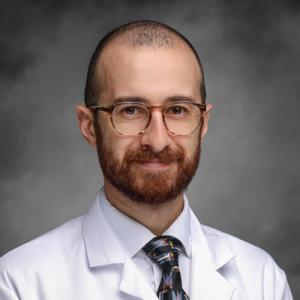
Prachi Parikh, MD
Director, Epilepsy Fellowship Program
Christine Berry
Program Coordinator